
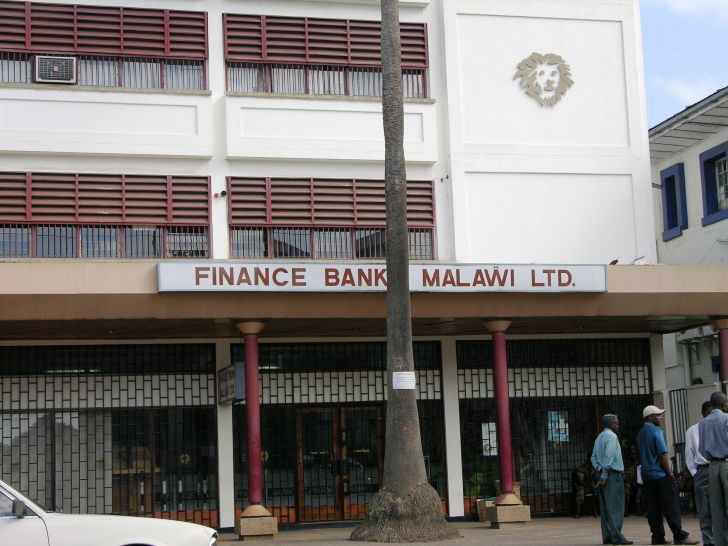
Taxpayers face a potential K1.03 trillion burden as the defunct Finance Bank of Malawi (FBM) seeks damages from the Reserve Bank of Malawi (RBM), according to Nation Online. The compensation claim follows a Supreme Court of Appeal ruling that faulted the central bank for unlawfully revoking FBM's operating license. FBM is demanding $551.9 million for lost business and profits, alongside K61.7 billion in accrued interest. Attorney General Frank Mbeta confirmed his office is working with the RBM to challenge the claim, with a formal damages assessment hearing scheduled for May 25.
Update: President Peter Mutharika is actively lobbying the World Bank for emergency financial support to protect Malawi's economy from soaring global oil prices and geopolitical shocks, reports Nation Online. During a meeting at Sanjika Palace with World Bank regional director Nathan Belete, Mutharika requested assistance to ease the financial strain of domestic fuel price hikes, which saw petrol reach K6,672 per litre in April. Belete indicated that the World Bank is considering deploying a rapid response financing instrument to help stabilize the economy and secure critical imports.
Update: The Malawian government has announced a target to increase the mining sector's contribution to the Gross Domestic Product from less than one percent to 10 percent by 2030, according to AfricaBrief. The Ministry of Mining instituted a ban on the export of unprocessed minerals to promote local manufacturing and processing. Officials are currently conducting a physical audit of all existing mining licenses to enforce compliance with international standards and are working to formalize artisanal mining cooperatives.
Update: The Centre for Democracy and Economic Development Initiatives (CDEDI) has demanded answers from the Treasury over continued delays in releasing maize procurement funds to the Agricultural Development and Marketing Corporation (Admarc), according to Nation Online. CDEDI warned that withholding the funds, despite the National Budget being passed in April, forces farmers to sell their harvests to private buyers at low prices. The advocacy group noted that the delay risks pushing the country toward unnecessary grain imports during an ongoing foreign exchange shortage.