
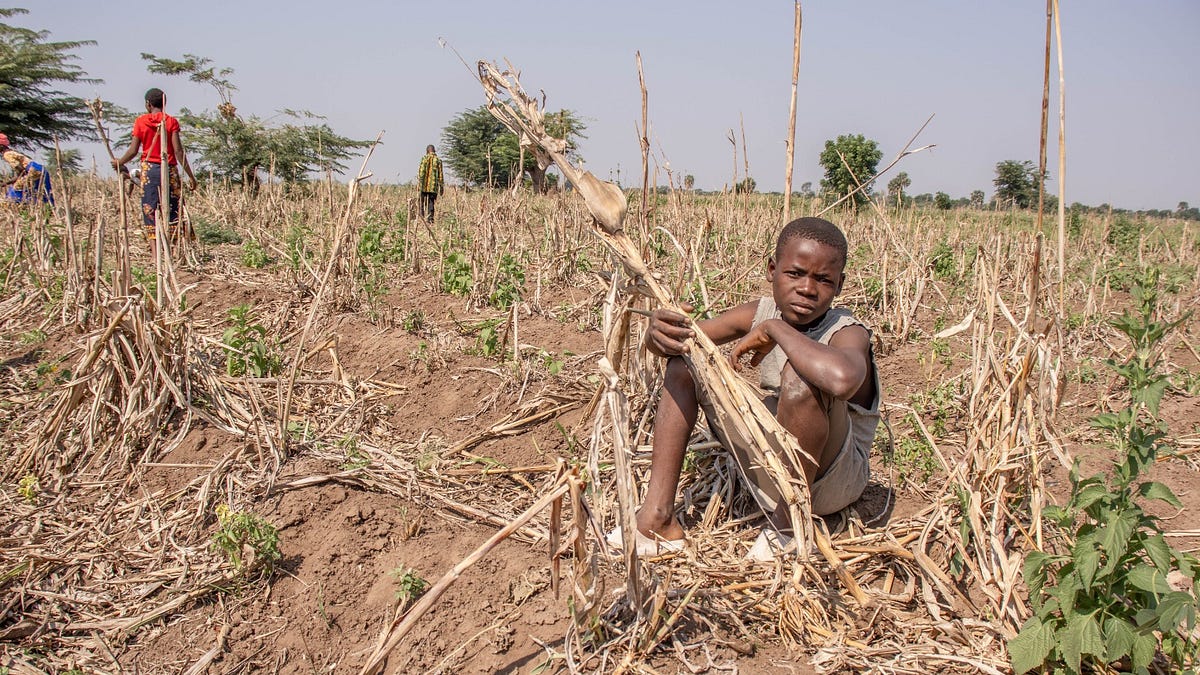
Update: Although recent harvest inflows have caused domestic maize prices to fall by 17 percent month-on-month, analysts warn this relief may be temporary. According to a May 16 report on the country's hunger crisis, underlying weaknesses persist across Malawi's agricultural sector as global shipping disruptions continue to inflate the cost of imported fuel and fertiliser. Experts caution that these high production costs could reduce fertiliser application rates in upcoming seasons, leading to lower crop yields and threatening national food security.
Adding to concerns over agricultural inputs, a multi-country study by the International Food Policy Research Institute has questioned the viability of Malawi's heavy reliance on fertiliser subsidies. According to Nation Online, the research indicates that Malawian farmers produce only four to seven kilogrammes of maize per kilogramme of nitrogen applied, compared to over 15 kilogrammes in countries like Ghana and Nigeria. Mwapata Institute research fellow Christone Nyondo warned that increasing dependence on government fertiliser procurement risks collapsing private agricultural markets. In response, local advocates and farmers are urging a shift toward chemical-free agroecological methods to improve soil health and reduce the national demand for foreign exchange.
Update: Building on earlier reports of market oversupply, a joint study by the Lilongwe University of Agriculture and Natural Resources and the Farmers Union of Malawi has revealed further threats to the tobacco sector. Nation Online reports that Malawi produced 197 million kilogrammes of tobacco this year against a buyer demand of just 170 million kilogrammes. Researchers concluded that this surplus, combined with a drop in active buying companies from 11 to eight, has severely weakened the bargaining power of farmers who are already struggling with high production costs.