
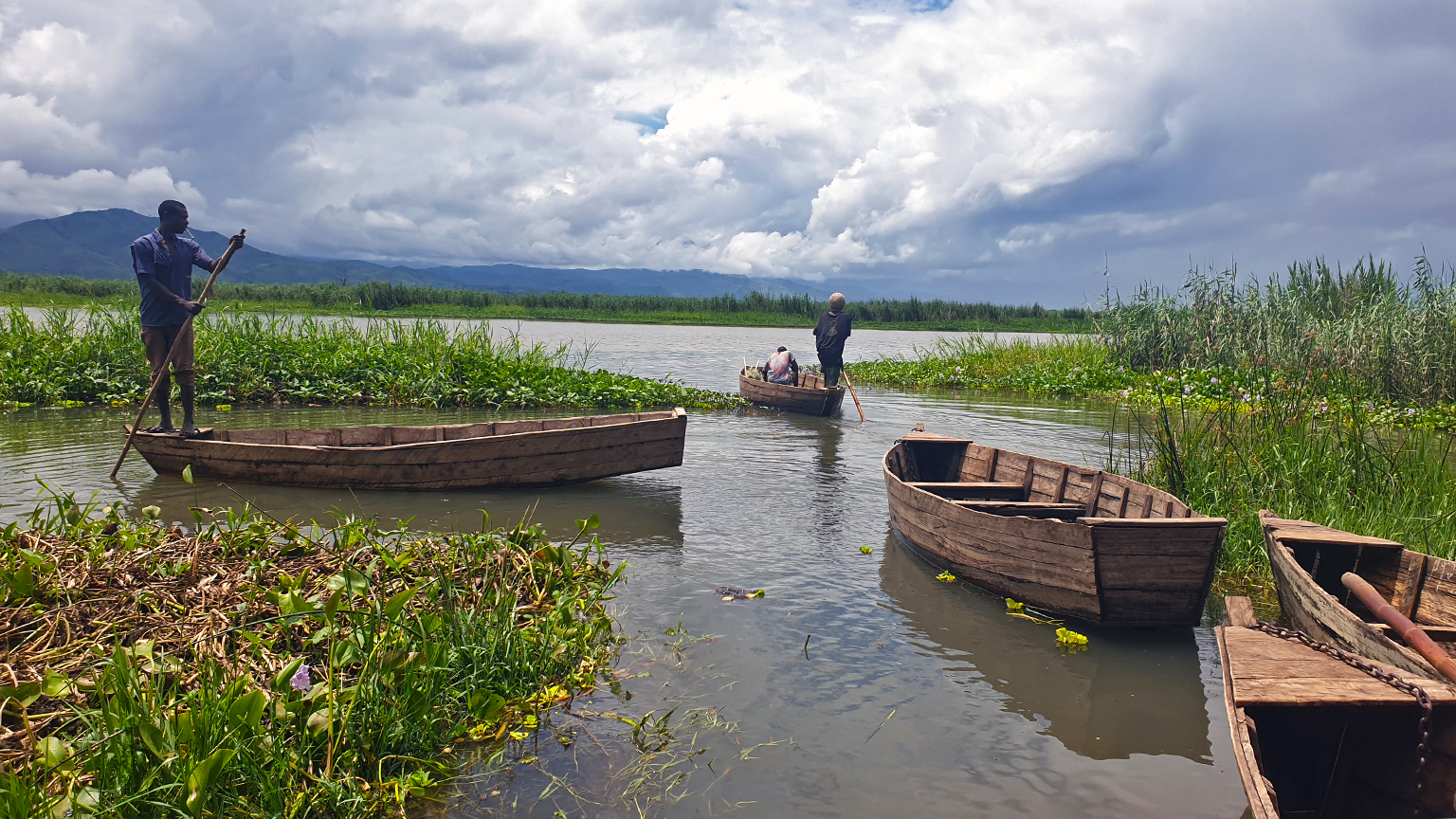
More than 1,000 farming families in the Lower Shire Valley have permanently lost their farmland as floodwaters in Elephant Marsh remain stagnant three years after Cyclone Freddy, according to Ocean Economist. The prolonged flooding points to a collapse in the wetland's natural capacity to regulate water levels, a vulnerability caused by decades of deforestation and intense agricultural activity upstream. Before the cyclone, farmers in the area relied on the wetland's fertile soils to harvest crops multiple times a year.
To help reduce deforestation and support climate-displaced populations, a joint United Nations initiative is expanding clean energy access in southern districts, according to fundsforNGOs. The International Organization for Migration and the United Nations High Commissioner for Refugees are distributing energy-efficient cookstoves to families in Chikwawa and Chiradzulu who were relocated following severe floods, reducing their need to harvest local firewood.
Update: Civil society groups are demanding stricter enforcement of waste management policies to protect Lake Malawi from microplastics, Nation Online reports. The Civil Society Network on Climate Change stated that the 2015 ban on thin plastics has failed to stop pollution from accumulating in the lake. The contamination poses a direct threat to more than 1,000 endemic fish species and endangers a water body that provides 92.6 percent of the country's total fish catch.