
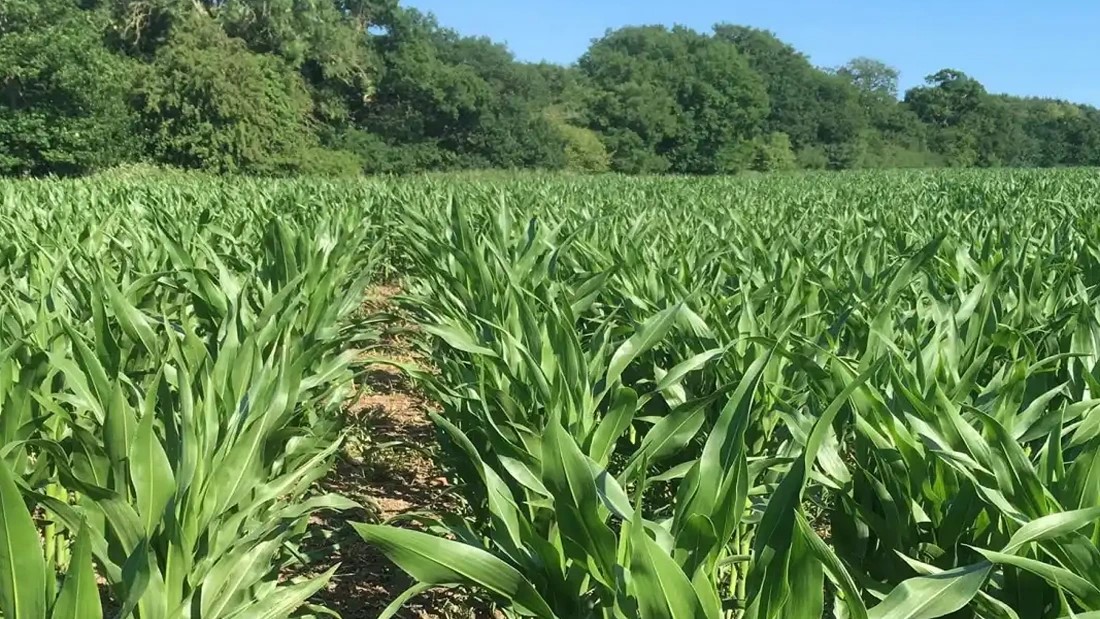
Update: Following earlier reports projecting a 35 percent drop in lean season hunger, the Ministry of Finance, Economic Planning and Decentralization has released new figures detailing the agricultural outlook. According to the latest Malawi Vulnerability Assessment Committee (MVAC) report, 2.6 million Malawians will still require food assistance between October 2026 and March 2027. This figure represents roughly 14 percent of the population. The overall decline in food insecurity is driven by a stronger national harvest. The Ministry of Agriculture estimates that Malawi produced 3.3 million tonnes of maize during the 2025 to 2026 season. This marks a 15 percent increase from the 2.85 million tonnes harvested the previous year. As a result, the government expects lean season food aid requirements to fall to 97,887 tonnes, dropping sharply from the 200,000 tonnes needed last year.
Despite the recent production gains, weather authorities and agricultural researchers are warning of impending climate threats. Times Malawi reported on Monday that the Department of Climate Change and Meteorological Services has issued a new weather advisory. Forecasters observe an 80 percent probability that a strong El Niño event will develop and continue into 2027. The International Food Policy Research Institute cautioned that these conditions could bring prolonged dry spells. This directly threatens future rainfed maize production and long-term food security across the country.