
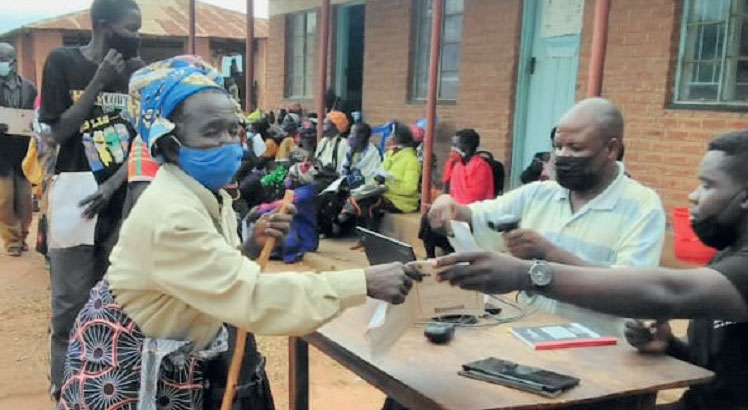
Malawi's Social Cash Transfer Programme is facing increased donor dependence following a sharp reduction in government funding, according to Pan African Visions. The national budget allocation for social protection dropped from K217 billion to K123 billion for the 2026/27 financial year. Consequently, the program continues to rely heavily on international partners to maintain operations. The World Bank currently supports activities in 11 districts, while the European Union, Germany, and Ireland fund operations in several other districts across the country.
In other international development news, the Electricity Generation Company (EGENCO) has invited bids for the full rehabilitation of the Kapichira dam on the Shire River, Hydropower & Dams reports. The reconstruction efforts are financed by a $60 million emergency loan from the World Bank under the Malawi Emergency Power Restoration Project. The project aims to rebuild infrastructure damaged by past floods and integrate a permanent irrigation intake, with the bidding window scheduled to close in November.
On the regional health and diplomacy front, officials from Malawi and ten other African nations concluded a review meeting in Addis Ababa on August 21 to address severe child malnutrition. According to the World Health Organization, the initiative is financially supported by the Government of Ireland and focuses on strengthening national health policies and expanding treatment services for child wasting across the continent.
Additionally, Malawi and Ghana have agreed to deepen their bilateral cooperation regarding digital technology and the economy, Asaase Radio reports. This partnership aligns with recent national efforts to accelerate regional digital inclusion, a central theme discussed during the Digital Africa Summit hosted at the Bingu International Convention Centre in Lilongwe on August 20.