
Malawi is advancing plans for a northern railway corridor connecting to Tanzania in an effort to reduce high logistics expenses, according to FurtherAfrica. The proposed direct rail link to Dar es Salaam targets transport costs that currently consume up to 60 percent of Malawi's total trade expenditure. The African Development Bank has committed resources to fund the project's feasibility study. Secretary for Transport and Public Works Bright Kumwembe stated that the railway is a Central Corridor project that could significantly lower domestic prices for fuel, agricultural inputs, and consumer goods once completed.
Update: In the agricultural sector, a new report from the International Food Policy Research Institute (IFPRI) warns that the country faces severe El Niño risks heading into the 2026/27 growing season. To avert a potential humanitarian and food security crisis, IFPRI urged the government to act early by focusing on enabling well-functioning food markets and facilitating cross-border trade. The institute also emphasized the need to prepare social protection programs and secure grain supplies before shortages emerge.
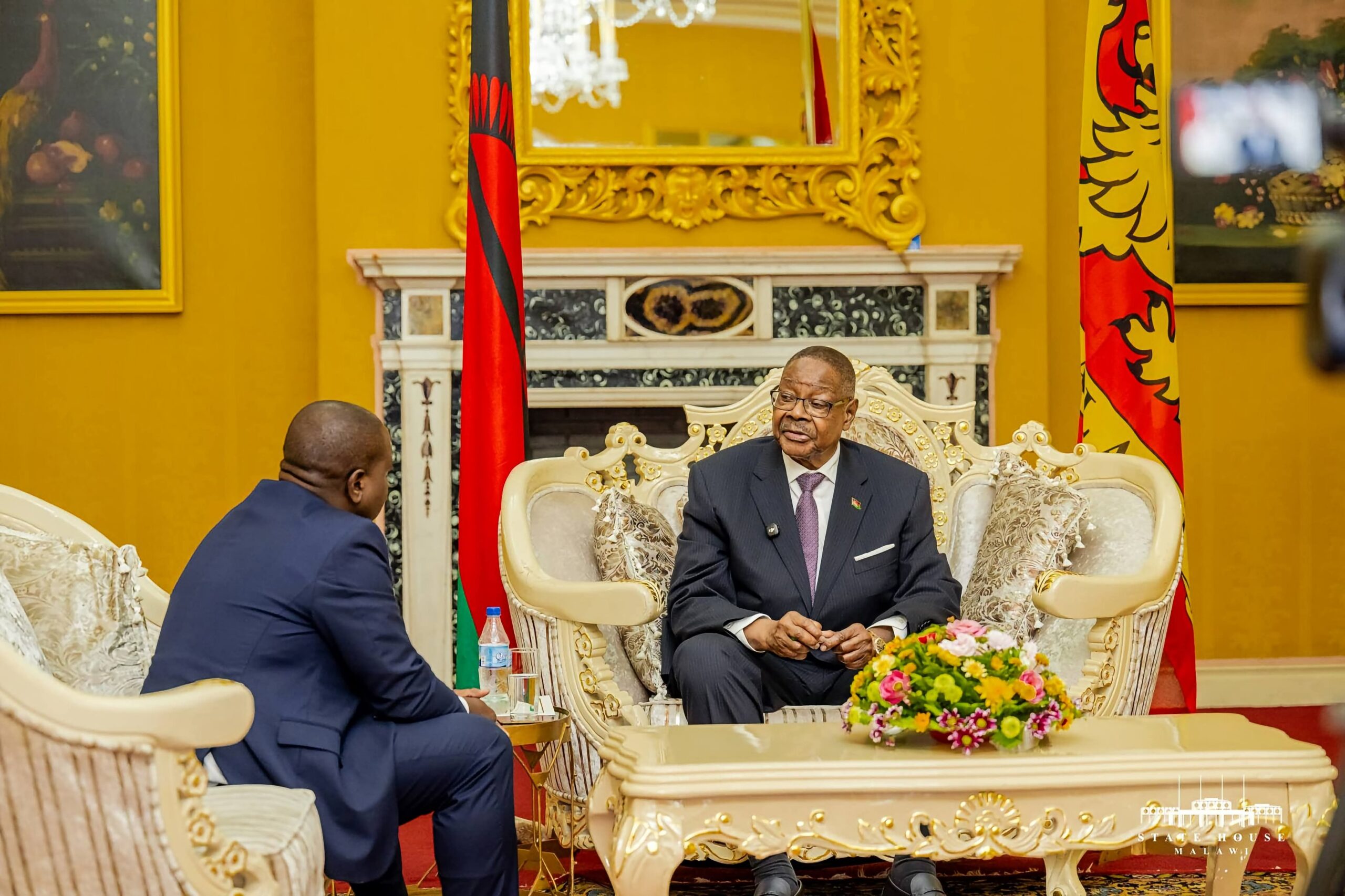
Update: Against the backdrop of these trade and agricultural pressures, President Peter Mutharika marked his exact one-year anniversary in office by cautioning Malawians about a difficult economic road ahead. In an October 4 interview with the Malawi Broadcasting Corporation, Mutharika confirmed that foreign exchange shortages remain the administration's most complicated hurdle. Nyasa Times reports that the president defended his record on food security and fuel stabilization but warned that higher taxes would be necessary for long-term recovery. He added that teams from the International Monetary Fund and the World Bank are currently in the country to negotiate a revived Extended Credit Facility to help stabilize the economy.
While inflation remains a major challenge, there are signs of isolated macroeconomic improvement. According to Channel Africa, independent economic assessments show that food inflation has dropped from 35 percent to 20.4 percent over the past year. Quoting Dr. Bertha Bangara Chikadza of the University of Malawi, the outlet noted that the government has also managed to narrow its budget deficit from 11 percent to 8 percent. However, heavy public debt and foreign currency restrictions continue to leave many local manufacturers operating at reduced capacity, and economic growth projections for the year have been revised down to 2.6 percent.